Meet our June Change for Good Recipient!
Pollinator Project Rogue Valley is a volunteer-led Oregon-registered 501(c)(3) nonprofit concerned about the health of our native pollinators and plant communities. PPRV envisions communities and landscapes working together, supporting diverse ecosystems rich with native plants and thriving native pollinators.
"We inspire, engage, and educate about the ecological importance of native pollinator species and the diverse native plant communities essential for their survival - and ours. We are committed to the creation and restoration of pesticide-free pollinator corridors throughout
Southern Oregon." (PPRV)
Their Values:
Education - We are guided by our passion to teach and engage with the public of all ages. Our work is guided by science to conserve and protect pollinators as well as our local environment.
Gaia Principle - We believe the Earth to be a living system in which both a profound unity and respect for all life is critical, especially as it relates to our local pollination ecology.
Collaboration - We depend on collaborating with the community to carry out our mission and amplify our collective impact.
Commitment - We are a team that is committed to our cause and inspired by a shared devotion to the place we call home.
Integrity - We believe it is vital to be honest and transparent in our organization’s work and with each other.
Respect - We honor and value each person, their experiences, and contributions. This respect extends to the importance of acknowledging the indigenous peoples of North America as well as their culture, stewardship and on-going legacy.
JEDI (Justice, Equity, Diversity, Inclusion) - We respect and support the diverse ways that humanity expresses itself and invite all races, genders, orientations, and abilities to our table and into our gardens. We feel it is important to stay curious and keep learning and adapting with an open mind and heart.
The work this organization does is simple, the more we know about the pollinators and plants that are native to this area, that are in fact essential components for our Southern Oregon ecosystem, the easier it will be for our human society to make decisions that will benefit us now and into the future. While making these solutions accessible and available to a wide range of community members, PPRV is proud to offer a myriad of programs for all age ranges to get outside and learn!
Programs offered:
Pollinator Pals - Providing children and teens, especially those living on low incomes, with hands-on science and place-based environmental education in schools, at community venues, and PPRV's Children's Learning Garden at Blue Heron Park in Phoenix. OR.
Growing Gardens - Engaging and educating students, interns, and volunteers on how to grow native plants, and creating and maintaining native plant demonstration gardens at our office, the Children's Learning Garden, and local schools. Thousands of native plants are grown in our Nursery each year for sale and donation to school gardens and community organizations.
Habitat Academy - Educating and engaging adults in place-based programs, workshops, and hands-on activities, often in partnership with other organizations and businesses, about native plants, pollinators, and the local ecosystem.
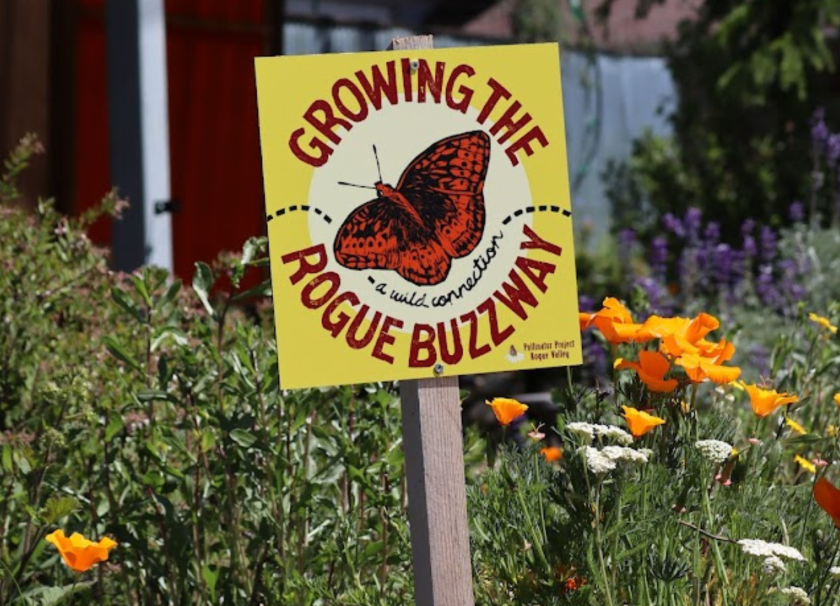
Rogue Buzzway - Mapping pollinator-friendly gardens and landscapes in partnership with Southern Oregon University, inspiring people to get involved with planting gardens while illustrating the increase of pesticide-free pollinator corridors in the region.
PPRV is moving! The organization's HQ has moved next door to their old location. This means more space for meetings and events, offices and windows to improve staff work quality and production, but at a higher cost. A generous sponsor has provided a donation of $10k, contingent on the organization matching that number with donations!
If you would like to learn more or support PPRV, please visit www.pollinatorprojectroguevalley.org
More Co-op News
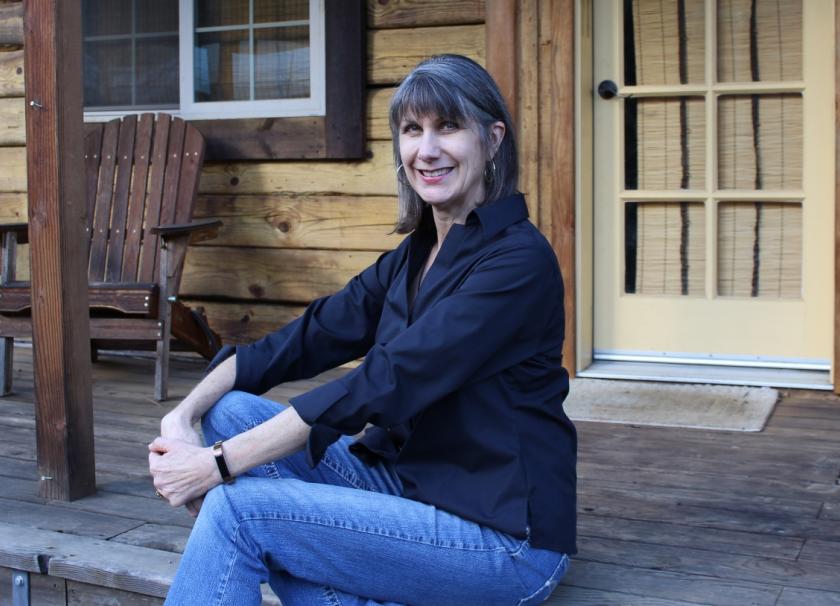
Meet Cooking Class Instructor, Gianaclis Caldwell
Get to know Gianaclis Caldwell ahead of her class, "Easy Mozzarella and Burratta - From Scratch!" on March 7. Gianaclis is the author of the award-winning book Mastering Artisan Cheesemaking and owner of Pholia Farm.
Tell us how your love of cooking (or cheese) and food began.
Wellness Secret Weapons
There are still plenty of colds and viruses making their rounds, and we want to help you better defend against them!
In January, we asked on social media what kind of secret weapons you use in the winter to stay healthy. We had a lot of responses, so we'll start with the All-Stars.
With your initial recommendations, our Wellness team reviewed the suggestions and picked the products with the highest quality standards and best feedback. Check those out below.
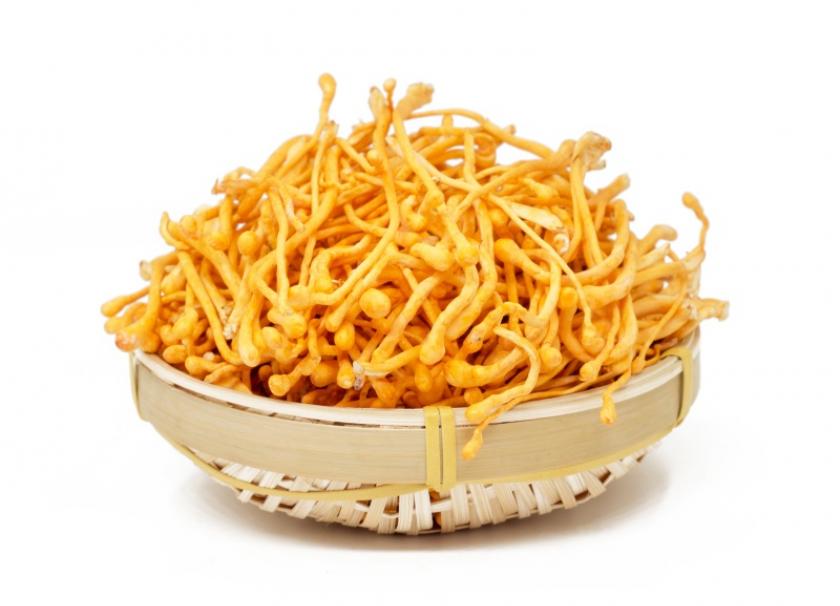
Mushrooms for wellness
You may have heard about the fascinating discovery that trees can communicate with each other. What’s the secret? The mycelia - tiny strands of fungus - in the soil form a vast underground network through which trees send chemical signals to their neighbors.
The mycelia differs from the fruiting body of the mushroom, which is the reproductive component that contains spores and is thought to be higher in Beta Glucans.

Meet class instructor, Joette Calabrese
This class instructor profile is connected to the February 27 free lecture, "You, Too, Can Beat the Flu!"
On an early Kolkata (Calcutta) morning, thick crowds gather outside the gates of the hospital while officials yell out "Brain tumor, kidney failure, cancer patients form a line here!” Hopeful patients, family members and caregivers arrange themselves by disease symptom.
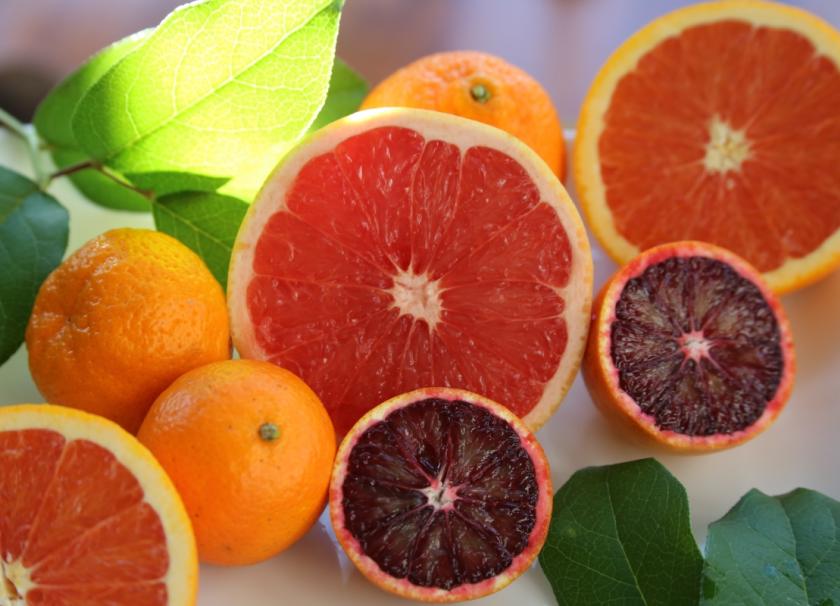
What to do with all this citrus?!
So you grabbed a few too many extra oranges and grapefruits and lemons (and some finger limes, and some satsumas…), and rather than watch them go bad, we want to provide you with some ideas on how to reduce waste. You’ll also get to enjoy citrus in a lot of new ways!
There are many guides and recipes across the internet (like this one by our friends at Grow Forage Cook Ferment), so here are a few ideas to get your creative and citrus juices flowing.
Update from the General Manager: "Food for Paradise" campaign
Ashland Food Co-op's General Manager, Emile Amarotico, ends 2018 on a very uplifting note with a report back on the "Food for Paradise" donation campaign. Watch the video below, or read on for an extended written update.
Hello, this is Emile Amarotico, the general manager of Ashland Food Co-op with an update on the Co-op’s Food for Paradise initiative.

5 Fresh Ways to Save at the Co-op
We’ve all been there: your bank account is looking thin after a month of celebrations, but you’ve made a New Year’s resolution to save up for a big purchase later in the year
Now’s the time to make some changes to your spending - but that doesn’t mean you have to skimp on quality goods at the Ashland Food Co-op.
These are some lesser known ways to save at the Co-op. Think of them like ordering off the secret menu.
Savings Level: $

Board Report: How "Food For Paradise" Got Started
By Mira Wonderwheel, Board of Directors

4 Ways to Reduce Your Food Waste
It’s the New Year, our favorite time for goal-setting, making positive resolutions, and shifting our impact. One of the Co-op’s goals is to become a Zero Waste facility. Our staff works to divert as much food waste as we can - and we hope our member-owners will join us in this goal too.
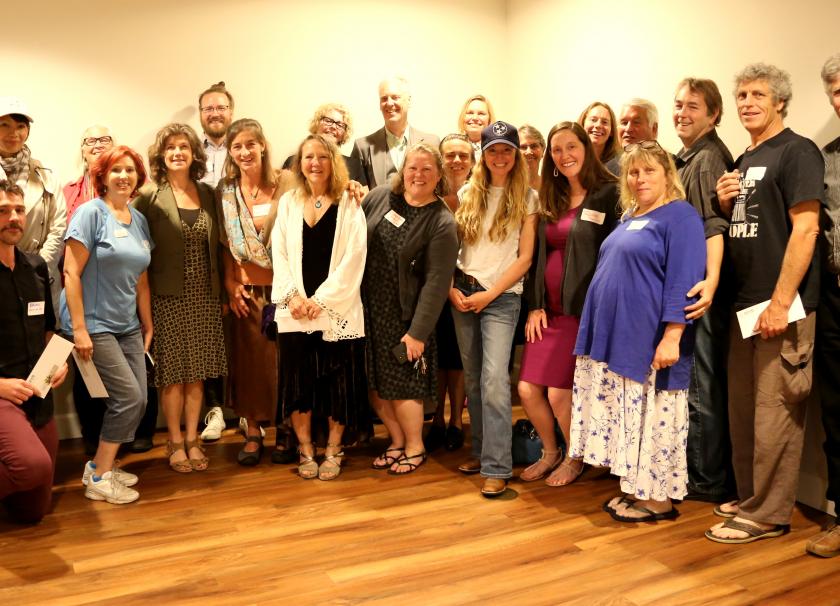
2019 Community Grant Applications
The funding cycle for the 2019 Co-op Community Grants for nonprofit organizations begins in February.
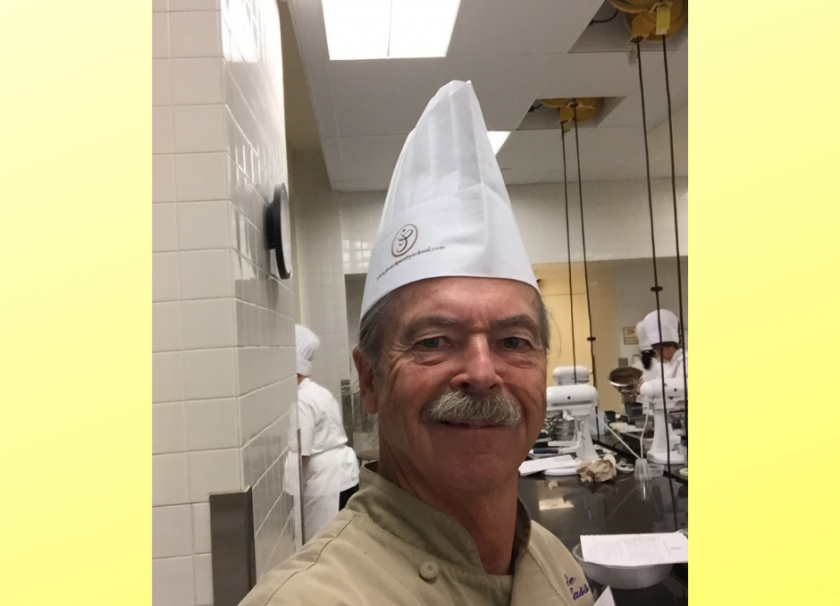
Meet Cooking Class Instructor Charlie Douglass
Many talented local chefs share their expertise in the Co-op Kitchen. Charlie Douglass is no exception. As the former Master Chocolatier at Harry and David, Charlie knows a thing or two about chocolate and candy making.
Tell us how your love of cooking and food began.

Meet Cooking Class Instructor Tiazza Rose
Tell us how your love of cooking and food began.
Give the Gift of Wellness
Finding the perfect gift for a friend or loved one is an art. This winter, we carefully selected these assortments for those who love some good self-care, are working in partnership with their gut health, or for those making efforts to reduce their pain. Each of these gift ideas will help you make your loved ones feel extra special and extra healthful.

Give the Gift of Good Food
During the month of November, Co-op shoppers can nourish their own families and help fight hunger in the Rogue Valley. We’ve teamed up once again with Smart Chicken® for the Smart Giving Holiday Challenge.
Here’s how it works.
-
For every 10 pounds of Smart Chicken® you purchase from the Meat Department or the Deli, Smart Chicken® will donate one pound of chicken to a local non profit
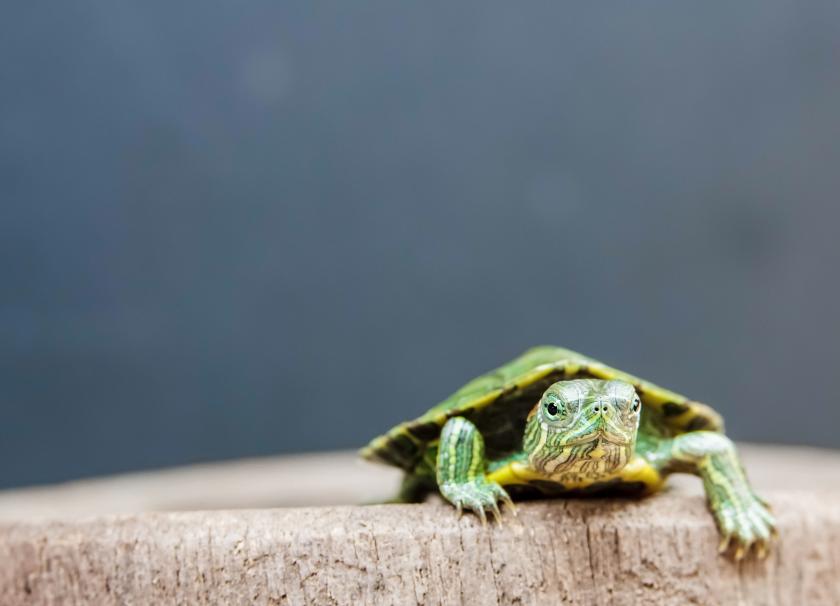
We're All Turtles
By Dean Williamson, Board of Director
My grandmother loved to talk. Oh, could she talk! And she had one expression that I’ve always really liked. “If you come across a turtle on top of a fence post, you can be pretty sure it didn’t get there by itself.”